


Historical archive · Sambil Caracas
Every signature carried a purpose.
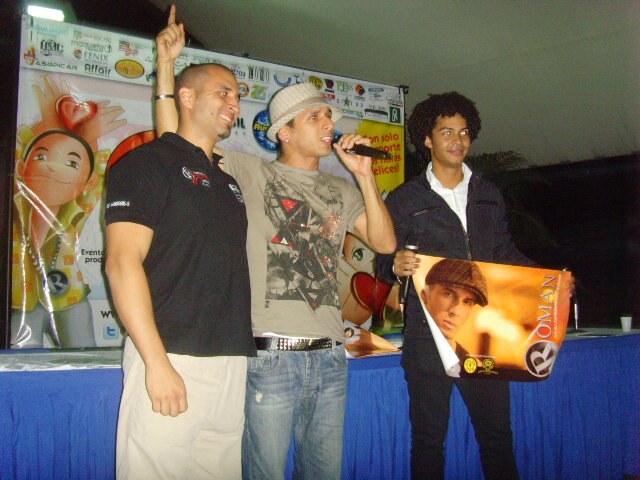
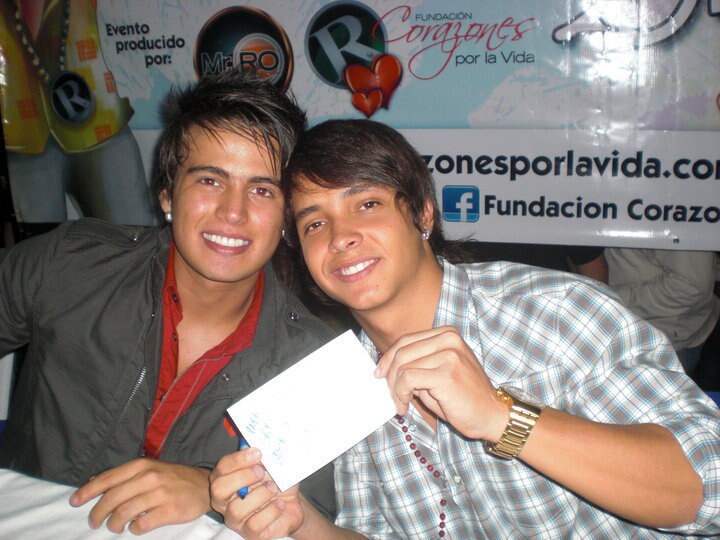
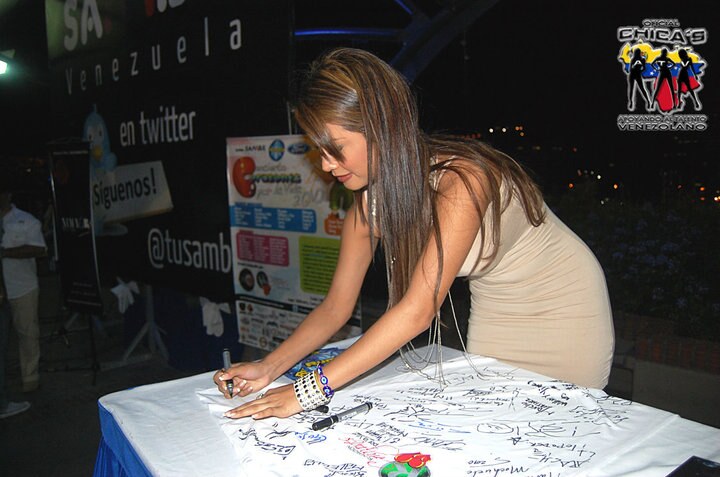
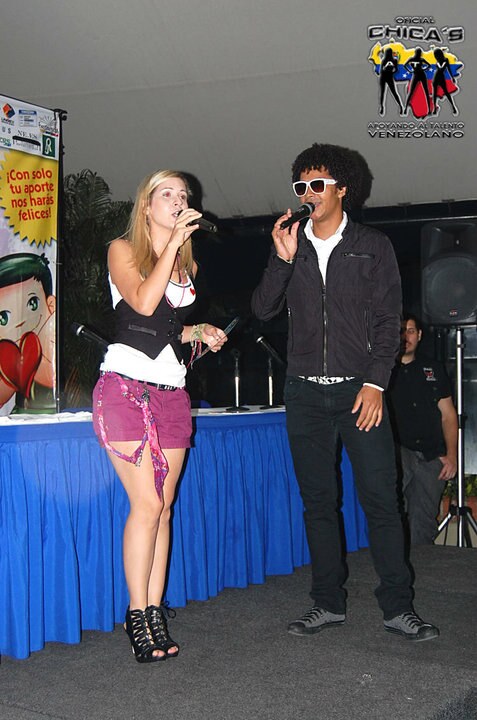
In 2010, Venezuela’s entertainment community met fans face to face—signing autographs, taking photographs and collecting contributions for children at high social risk.
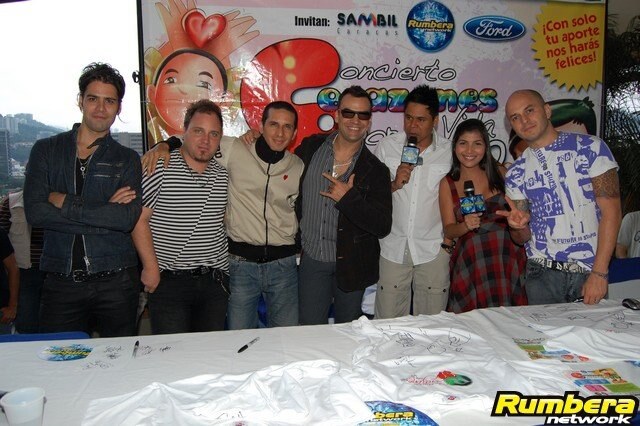
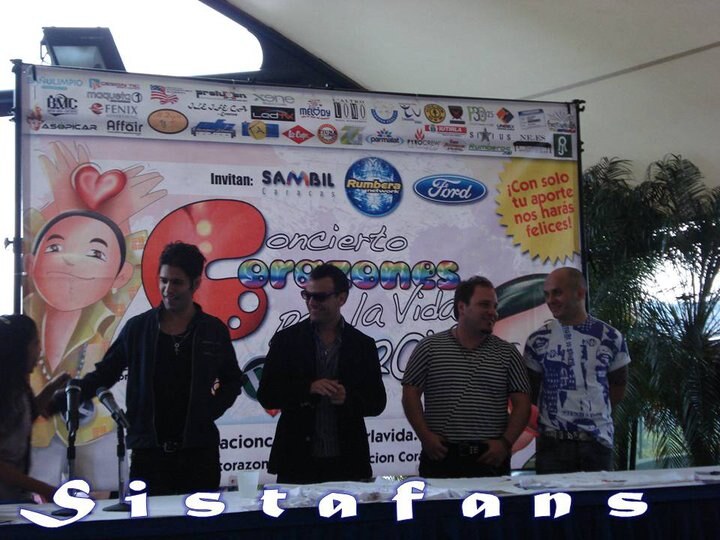
CARACAS, VENEZUELA — August 12, 2010. Fundación Corazones por la Vida and the Sambil Caracas shopping center launched a public mobilization that invited artists, presenters, DJs, models and media personalities to transform their visibility into concrete support for children facing conditions of high social risk.
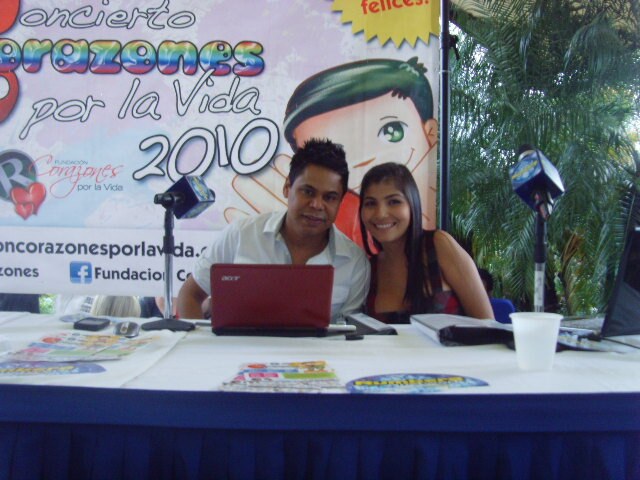
The campaign opened with a press gathering, photographs, autograph signings and the Potecorazón collection drive. Every Thursday and Friday leading up to the Corazones por la Vida 2010 benefit concert, participating artists returned to the mall’s central plaza and food-court level to meet the public, promote tickets and encourage direct contributions.
It was not an autograph for an autograph’s sake. Each encounter created a bridge between public attention and a child who needed protection, care and opportunity.
Fundación Corazones por la Vida historical archive
A shopping center became a civic meeting place
Sambil Caracas provided more than a venue. Its daily flow of visitors gave the campaign access to thousands of families and young fans who might never have encountered the foundation through a traditional fundraiser. The familiar ritual of asking an artist for a signature became an invitation to listen, contribute and become part of a collective response.
Donation containers were placed beside the artists’ tables, while campaign banners connected every photograph and signature to a clear message: entertainment could become a force for social responsibility.
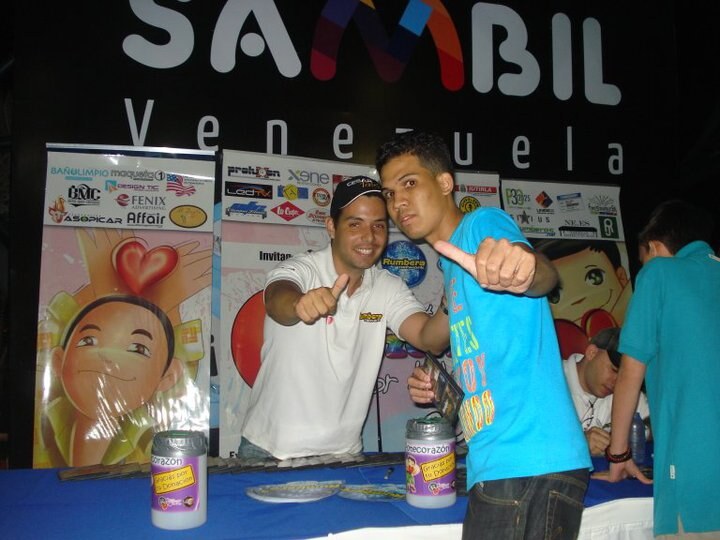
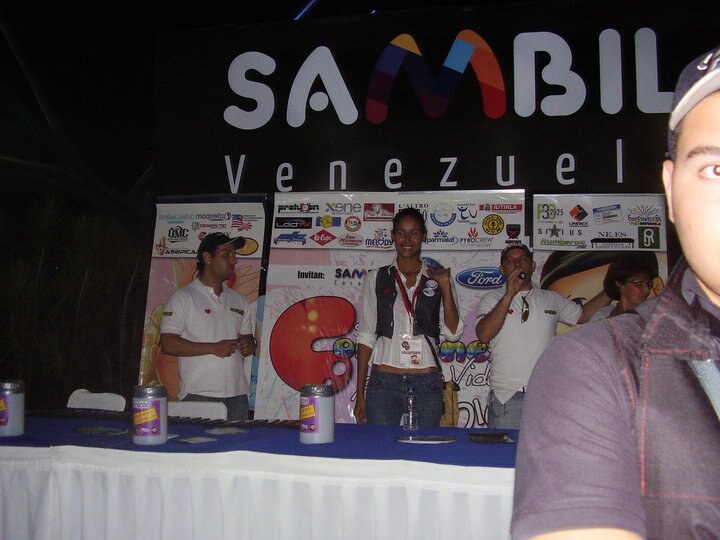
A broad artistic coalition
The 2010 campaign brought together talent from pop, rock, salsa, urban music, percussion and broadcasting. The announced artistic roster included:
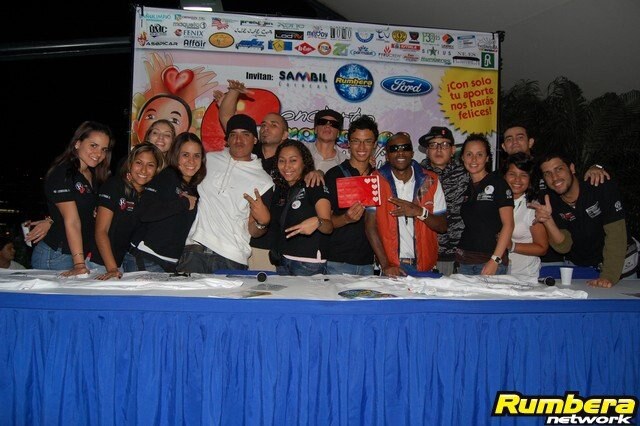
Invited DJs from Rumbera Network and well-known presenters also helped amplify the message. Their participation did not replace the work of the volunteers; it expanded its reach, helping the campaign travel through radio, television, live appearances and fan communities.
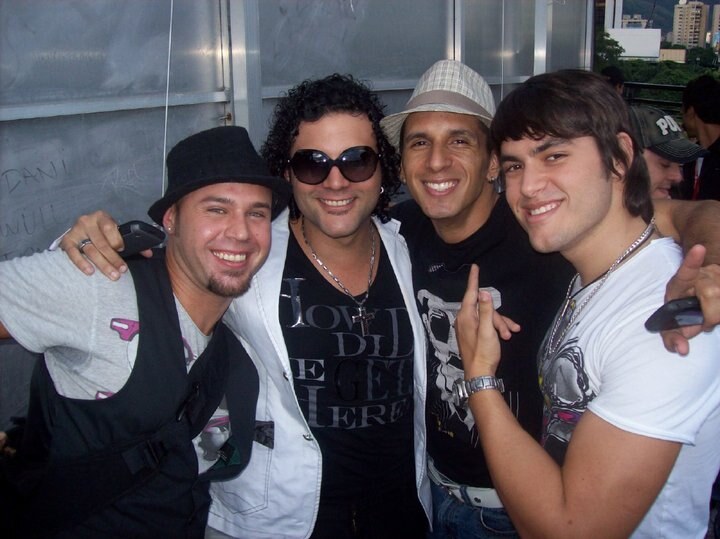
From visibility to fundraising
The autograph sessions also supported ticket promotion for the major Corazones por la Vida concert scheduled for September 18 at the Sambil Amphitheater. That event was designed as a full-day musical gathering, but the fundraising effort had already begun weeks earlier through these smaller, recurring encounters.
This model allowed the campaign to grow gradually. Fans met the people they admired; artists explained why they had joined; volunteers collected donations; and the foundation kept the beneficiaries—not celebrity—at the center of the message.

The people behind the moment
Historical photographs often preserve the faces on stage, but campaigns of this scale are sustained by many others: coordinators, photographers, journalists, production teams, mall personnel, fan clubs and volunteers. Their combined work made it possible to repeat the activities week after week and keep the cause visible until the concert.
The collaboration with Sambil Caracas demonstrated an enduring principle of Fundación Corazones por la Vida: social impact becomes stronger when institutions share their spaces, audiences and capabilities.
A legacy larger than a photograph
The 2010 autograph campaign belongs to a period when social media was only beginning to reshape public mobilization. The photographs show that the essential formula was already clear: proximity, trust and a shared reason to act. By meeting people where they were, the foundation created a pathway from admiration to participation—and from participation to assistance.
Today, the archive remains evidence of what can happen when culture, business and civil society agree that serving vulnerable children is everyone’s responsibility.
Keep the movement alive
Turn your participation into direct humanitarian action.
Fundación Corazones por la Vida historical archive · Sambil Caracas · August–September 2010